The Vantara facility in Jamnagar, Gujarat, is one of India’s largest private animal rescue and rehabilitation centres. However, it has recently become the subject of controversy after the Union Ministry of Forests, Environment, and Climate Change refused to disclose the number of animals housed there, despite a direct question being raised in Parliament.
Parliamentary Question Triggers Debate
Congress MP Sudha Ramakrishnan, representing Tamil Nadu, questioned the government on whether inspections had been carried out to assess the living conditions of animals at the Reliance Foundation-backed Vantara facility. She also asked if any environmental impact assessments had been conducted in relation to the site.
Her query was based on a report by Newslaundry, which has been covering developments related to the facility.
A 3,000-Acre Animal Conservation Complex
The Vantara facility spans an impressive 3,000 acres and combines the operations of two major entities:
- Radhe Krishna Temple Elephant Welfare Trust
- Greens Zoological Rescue and Rehabilitation Centre
The centre is overseen by industrialist Anant Ambani and is presented as a space dedicated to the rescue, care, and rehabilitation of animals. Its mission statement emphasises creating a safe haven for injured, rescued, or endangered wildlife.
Government’s Response in Parliament
In her written response, Minister of State for Environment, Forest and Climate Change Kirti Vardhan Singh confirmed that India currently has five private zoos approved under the Wild Life (Protection) Act, 1972. These are:
| Approved Private Zoos in India | Location |
|---|---|
| Turtle, Terrapin, and Tortoise Rescue Centre | Nellore district, Andhra Pradesh |
| Avian and Reptile Rehabilitation Centre | Bengaluru, Karnataka |
| Rescue Centre, Radhe Krishna Temple Elephant Welfare Trust, and Greens Zoological Rescue & Rehabilitation Centre | Jamnagar, Gujarat |
| Elephant Conservation and Care Centre | Mathura, Uttar Pradesh |
| Another Approved Private Rescue Centre | Various locations |
Singh explained that the Wild Life (Protection) Act lays down the legal framework for establishing zoos and acquiring animals. Before any private zoo can operate, it must receive recognition from the Central Zoo Authority (CZA), which evaluates the facility’s infrastructure, animal care standards, and management practices.
Vantara’s Legal Recognition
According to the CZA, the Greens Zoological Rescue and Rehabilitation Centre in Jamnagar is a recognised zoo. Additionally, the Radhe Krishna Temple Elephant Welfare Trust’s elephant camp and animal care centre have prior approval under Section 38-H(1-A) of the Act.
This means the Vantara facility operates within the legal boundaries set by Indian wildlife laws. Despite this, the ministry’s response avoided giving a direct answer to the key question—how many animals currently live at Vantara.
Why the Numbers Matter
For wildlife conservationists and animal welfare advocates, the number of animals in a facility is more than just a statistic—it reflects the scale of operations, resource needs, and potential welfare challenges. Without transparency, it becomes difficult for the public and independent watchdogs to evaluate whether the facility is truly prioritising animal care or if it’s facing overcrowding issues.
In recent years, there has been increased public scrutiny of private animal facilities in India, with debates over whether they are primarily conservation-driven or serve other interests.
Protests and Public Controversy
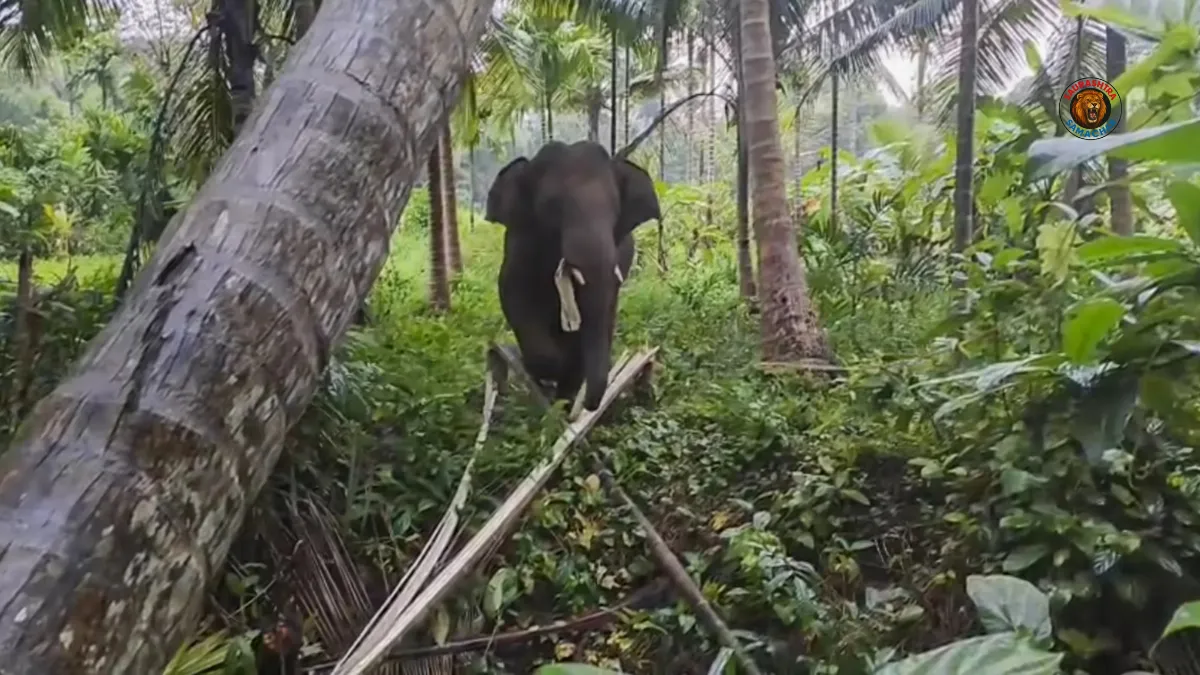
The issue drew public attention following protests over the relocation of an elephant to the private facility. Concerns were raised about whether moving animals from their existing habitats to private zoos aligns with ethical conservation practices.
Adding to the controversy, Newslaundry reported that several media articles about Vantara facility mysteriously disappeared from news websites within hours of being published, raising questions about transparency and press freedom in reporting on such matters.
Also read: Vantara India’s Largest and Most Advanced Animal Rescue and Rehabilitation Centre
The Larger Context of Private Zoos in India
Private zoos like the Vantara facility play a complex role in India’s wildlife landscape. On one hand, they can provide funding, advanced medical care, and well-maintained enclosures for rescued animals—resources that many state-run zoos struggle to provide. On the other hand, the lack of public accountability and potential conflicts of interest can raise ethical and environmental concerns.
The Wild Life (Protection) Act, 1972 ensures that any zoo—private or public—must meet certain standards before receiving recognition. However, once approved, there is limited public information about their ongoing operations, inspections, and animal welfare reports.
Also read: In Which State Is Aravali Safari Park? Full Guide for Visitors
Conclusion
The Vantara facility in Gujarat stands as one of India’s largest and most high-profile private animal conservation projects, backed by significant financial resources and high-end infrastructure. Yet, the refusal of the central government to disclose the number of animals it houses has fuelled debates about transparency, accountability, and the future of private wildlife care in India.
Until such information is made public, questions will remain about whether facilities like Vantara are setting a gold standard for animal welfare—or operating behind closed doors, shielded from public scrutiny.