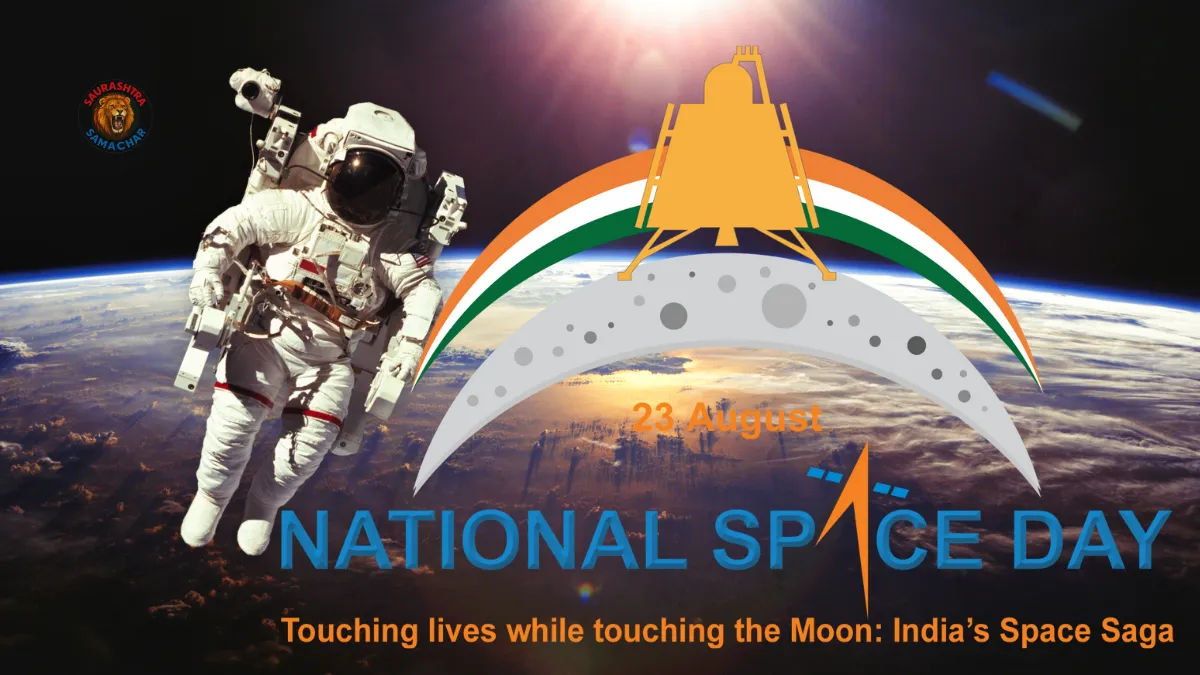
National Space Day is a special occasion that highlights humanity’s achievements in space exploration and inspires future generations to look toward the stars. Celebrated annually on the first Friday of May, it brings together scientists, educators, students, and space enthusiasts to honor the innovations and discoveries that have shaped our understanding of the universe.
This day is not only about celebrating past achievements but also about igniting curiosity and motivating young minds to pursue careers in science, technology, engineering, and mathematics (STEM). National Space Day serves as a reminder that space exploration is more than just a scientific endeavor—it is a collective journey toward unlocking the mysteries of the cosmos.
The History of National Space Day
National Space Day was first observed in 1997. It was originally initiated by Lockheed Martin Corporation, one of the world’s leading aerospace companies. The goal was simple: to promote interest in space exploration and encourage young people to consider careers in science and technology.
The idea quickly gained popularity, and over time, it evolved into a nationwide celebration. Eventually, it was recognized as an important day for education and awareness about space-related fields. Now, schools, museums, and science organizations across the United States and beyond celebrate National Space Day with interactive programs, exhibitions, and activities.
Why National Space Day Is Important
National Space Day holds great significance because it highlights the role of space exploration in human progress. Here are some reasons why it is celebrated:
- Inspires Future Generations – It encourages students to dream big and explore opportunities in STEM fields.
- Celebrates Scientific Achievements – From the moon landing to the Mars rover missions, it honors milestones that changed history.
- Promotes Innovation – Space technology often leads to everyday innovations, such as GPS, weather forecasting, and satellite communication.
- Encourages Global Cooperation – Space exploration requires collaboration among nations, making it a symbol of unity.
- Expands Human Knowledge – Understanding planets, stars, and galaxies helps us better understand Earth and its place in the universe.
Key Facts About National Space Day
Here is a quick overview of important details about this day:
| Aspect | Details |
|---|---|
| Name of Event | National Space Day |
| Date of Celebration | First Friday of May each year |
| First Observed | 1997 |
| Initiated By | Lockheed Martin Corporation |
| Purpose | To inspire interest in STEM and celebrate space exploration achievements |
| Global Relevance | Observed mainly in the United States but inspires events worldwide |
How National Space Day Is Celebrated
National Space Day is marked by a variety of events and activities designed to engage both children and adults:
- School Programs and Workshops – Teachers organize space-themed projects, quizzes, and model-making competitions.
- Museum Exhibits – Science museums often host special exhibitions on rockets, satellites, and astronauts.
- Public Lectures – Renowned scientists and astronauts deliver talks to inspire curiosity about space.
- Astronomy Nights – Many observatories and astronomy clubs host stargazing events for the public.
- Online Events – In the digital age, virtual seminars, space quizzes, and interactive sessions are held worldwide.
The Role of Space Exploration in Our Lives
National Space Day also reminds us how space research influences our daily lives. Some everyday technologies born out of space research include:
- GPS and Navigation Systems – Originally developed for space, now used in cars and smartphones.
- Weather Forecasting – Satellites help predict natural disasters, saving countless lives.
- Medical Advances – Space research has contributed to innovations in health monitoring systems.
- Communication Technology – Satellite-based internet and television are results of space science.
These benefits show that space exploration is not just about astronauts traveling to distant planets—it’s about improving life on Earth.
Famous Space Achievements Remembered on National Space Day
Some of the greatest milestones often celebrated include:
- 1961 – Yuri Gagarin became the first human in space
- 1969 – Apollo 11 Moon Landing by Neil Armstrong and Buzz Aldrin
- 1971 – Launch of the first space station, Salyut 1
- 1990 – Hubble Space Telescope launched to observe the universe
- 2021 – Perseverance Rover landed on Mars, searching for signs of ancient life
Each of these achievements represents human determination to go beyond boundaries.
National Space Day and the Future of Space Exploration
With rapid advancements in space technology, the future looks promising. Topics like Mars colonization, space tourism, asteroid mining, and lunar research stations are no longer science fiction but potential realities. National Space Day creates awareness about these future possibilities and emphasizes the need for innovation.
Private companies like SpaceX, Blue Origin, and Virgin Galactic are also playing an important role in making space exploration more accessible. Governments worldwide are investing in lunar missions, deep-space telescopes, and planetary exploration projects.
How You Can Celebrate National Space Day
Even if you are not a scientist or student, there are many ways to celebrate National Space Day:
- Read books or watch documentaries about space.
- Visit a planetarium or space museum.
- Organize a stargazing night with friends and family.
- Encourage children to participate in science activities.
- Follow NASA, ISRO, or ESA for updates on space missions.
By engaging in these activities, you not only celebrate but also spread awareness about the importance of space exploration.
Also read: CM’s Big Announcement: Free Land Distribution and Special Economic Package for Bihar’s Growth
Conclusion
National Space Day is more than just a calendar event—it is a celebration of human curiosity, innovation, and exploration. It inspires young minds, honors scientific progress, and reminds us of the vast potential that lies beyond our planet.
By celebrating National Space Day, we acknowledge how far we have come in our journey to the stars and how much more there is yet to discover. Whether through education, innovation, or simple curiosity, this day continues to fuel the dream that one day, humanity might truly become a multi-planetary species.