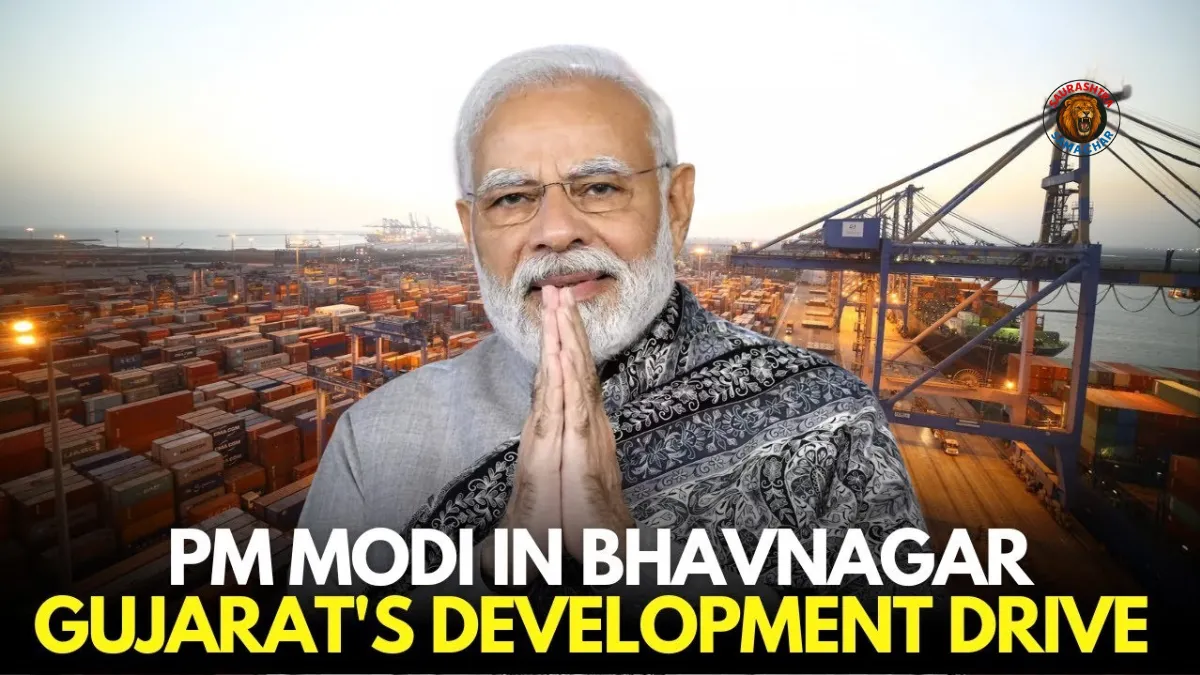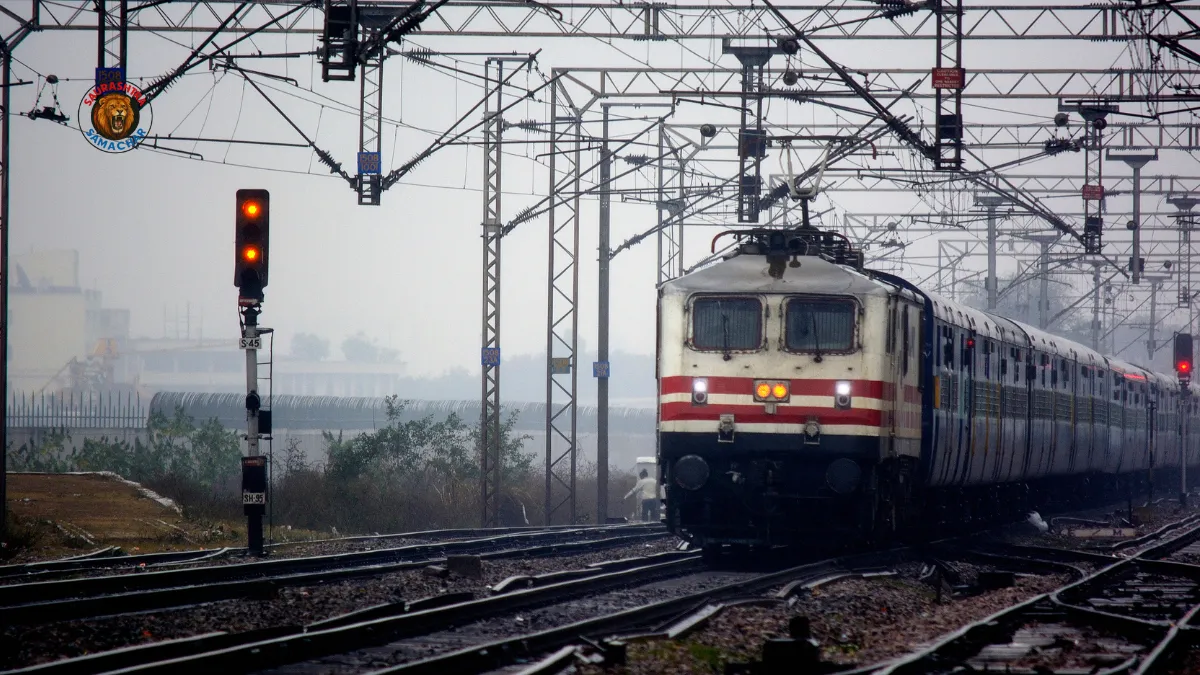
New Delhi – In a major boost to India’s transport and infrastructure sector, the Union Cabinet chaired by Prime Minister Narendra Modi has approved four major railway projects under the Ministry of Railways, with an estimated total cost of ₹12,328 crore. These projects aim to significantly improve passenger and freight connectivity, reduce logistics costs, cut down CO2 emissions, and generate employment across several states.
Key Projects Approved by the Ministry of Railways
The four projects sanctioned are:
- Deshalpar–Hajipir–Luna and Vayor–Lakhpat new rail line in Gujarat’s Kutch region
- Secunderabad (Sanathnagar)–Wadi third and fourth line spanning Karnataka and Telangana
- Bhagalpur–Jamalpur third line in Bihar
- Furkating–New Tinsukia doubling in Assam
These initiatives collectively cover over 565 kilometers of additional railway network across five states – Gujarat, Karnataka, Telangana, Bihar, and Assam.
Strategic Importance of the Kutch New Rail Line
One of the most significant projects approved is the Deshalpar–Hajipir–Luna and Vayor–Lakhpat new rail line in Gujarat’s Kutch region.
- Length: 145 route km (164 track km)
- Estimated Cost: ₹2,526 crore
- Completion Timeframe: 3 years
This line is not just about connectivity—it is of strategic and economic importance. It will connect remote areas of the Rann of Kutch to the national railway grid and directly benefit nearly 16 lakh people across 866 villages.
Additionally, 13 new railway stations will be built along this route, enhancing accessibility to important cultural and tourist sites such as:
- Dholavira (a UNESCO World Heritage Harappan site)
- Koteshwar Temple
- Narayan Sarovar
- Lakhpat Fort
The project will also play a crucial role in boosting industries like salt, cement, coal, clinker, and bentonite transportation, further strengthening Gujarat’s economy.
Multi-Tracking Projects to Improve National Connectivity
Alongside Gujarat’s project, three multi-tracking projects have also been approved by the Ministry of Railways:
1. Secunderabad–Wadi (Third & Fourth Line)
- Length: 173 km
- States Covered: Karnataka & Telangana
- Cost: ₹5,012 crore
- Timeline: 5 years
- Impact: Improved freight and passenger movement in South India, reduced congestion, and better access to Kalaburagi (an Aspirational District).
2. Bhagalpur–Jamalpur (Third Line)
- Length: 53 km
- State: Bihar
- Cost: ₹1,156 crore
- Timeline: 3 years
- Impact: Faster connectivity in Bihar’s important industrial and agricultural belt, strengthening supply chains.
3. Furkating–New Tinsukia (Doubling)
- Length: 194 km
- State: Assam
- Cost: ₹3,634 crore
- Timeline: 4 years
- Impact: Boosts economic activity in the North-East, improving transport of coal, petroleum, and agricultural produce.
Together, these multi-tracking projects will connect 3,108 villages and benefit nearly 47.34 lakh people, driving inclusive development across the regions.
Economic and Environmental Benefits
The Ministry of Railways highlighted multiple benefits of these projects:
- Employment Generation: Approximately 251 lakh man-days of direct employment during the construction phase.
- Freight Boost: Capacity to handle 68 million tonnes of additional freight annually.
- Reduced Logistics Costs: Essential for industries transporting coal, cement, clinker, fly ash, steel, fertilizers, containers, agricultural produce, and petroleum products.
- Fuel Savings: Reduction in oil imports by 56 crore liters annually.
- Environmental Impact: Reduction of 360 crore kg CO2 emissions, equivalent to planting 14 crore trees.
Railways, being an eco-friendly and energy-efficient mode of transport, is central to India’s sustainable development goals.
Tourism and Cultural Boost
The Kutch rail line will not only help industries but also open up new tourism opportunities. Sites like Dholavira, Koteshwar Temple, Narayan Sarovar, and Lakhpat Fort are expected to see a surge in domestic and international tourists, enhancing Gujarat’s position as a cultural and historical hub.
Aligned with PM Gati Shakti National Master Plan
These railway projects are part of the PM Gati Shakti National Master Plan, which focuses on:
- Integrated Planning
- Multi-Modal Connectivity
- Logistics Efficiency
By integrating rail connectivity with other transport modes such as roads, ports, and airports, the projects aim to accelerate economic growth, support “Make in India,” and create a self-reliant ecosystem for industries.
Ministry of Railways: Driving India’s Future Growth
The Ministry of Railways under Prime Minister Narendra Modi’s leadership is not just expanding infrastructure but also reshaping India’s economic geography. With increased line capacity, improved freight corridors, and enhanced passenger services, the new projects reflect the vision of building a New India that is self-reliant, connected, and sustainable.
These initiatives are also a step towards achieving Atmanirbhar Bharat, as better connectivity will open up employment, self-employment, and business opportunities for millions of people.
Quick Facts Table
| Project | Length (km) | Cost (₹ crore) | States Covered | Timeline | Key Benefits |
|---|---|---|---|---|---|
| Deshalpar–Hajipir–Luna & Vayor–Lakhpat New Line | 145 route km (164 track km) | 2,526 | Gujarat | 3 years | Boost to Kutch economy, 13 new stations, tourism & industry |
| Secunderabad–Wadi (3rd & 4th line) | 173 km | 5,012 | Karnataka, Telangana | 5 years | Reduced congestion, connectivity to Kalaburagi |
| Bhagalpur–Jamalpur (3rd line) | 53 km | 1,156 | Bihar | 3 years | Improved connectivity for industries & agriculture |
| Furkating–New Tinsukia (Doubling) | 194 km | 3,634 | Assam | 4 years | Boost to North-East economy & freight capacity |
Conclusion
The recent approval of multi-tracking projects and a new rail line in Gujarat’s Kutch by the Ministry of Railways marks a turning point in India’s infrastructure development. These projects are set to enhance connectivity, boost industries, generate employment, reduce carbon emissions, and promote tourism across multiple states.
By covering 565 km of new rail network, the projects reflect India’s determination to become a global logistics hub while ensuring sustainable and inclusive growth. As Prime Minister Narendra Modi emphasized, such initiatives are key to building a self-reliant and developed India where connectivity drives progress.