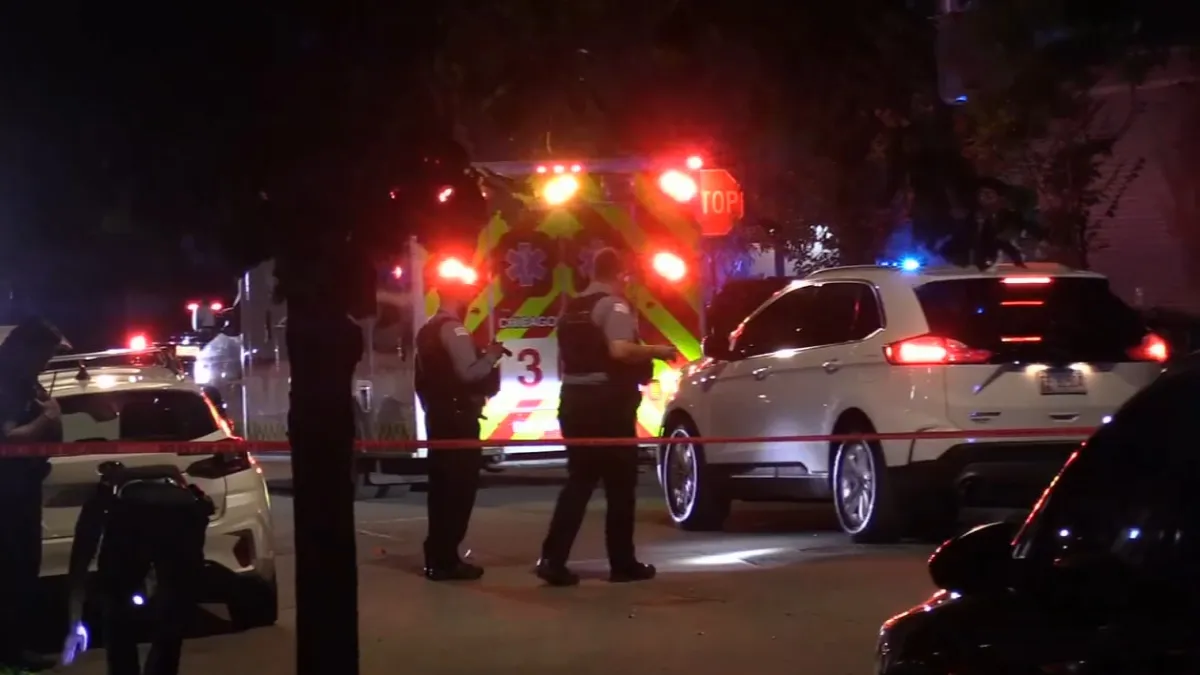
Chicago Shooting has once again brought national attention after a violent Labor Day weekend left dozens of people injured and several dead. The surge in gun violence prompted former President Donald Trump to highlight Chicago as an example of a city that needs federal intervention. The heated debate has now escalated into discussions about potential National Guard deployment, heightened immigration enforcement, and political disputes between state and federal leaders.
Things feel uncertain right now, Illinois.
— Governor JB Pritzker (@GovPritzker) September 2, 2025
I want you all to know we’re doing everything we can to protect your rights.
Make sure you know how to stand up for yourself and others at https://t.co/ATHvujilv7. pic.twitter.com/DBBlBNSO85
A Violent Weekend That Sparked National Attention
According to the Chicago Police Department, 58 people were shot over the Labor Day weekend, with eight of them losing their lives. This tragic rise in shootings has become a pressing issue for residents, local officials, and now federal authorities.
Trump, using his Truth Social account, described Chicago as “the worst and most dangerous city in the world” and promised that he could solve the problem quickly, as he claimed to have done in Washington, D.C. His statements intensified the already tense atmosphere in Chicago, sparking fears that federal troops could soon be deployed to the city.
National Guard Deployment: Debate Heats Up
President Trump’s repeated threats of deploying the National Guard have created a political standoff. While Trump argues that federal forces are necessary to restore safety, Illinois leaders firmly oppose the idea.
Governor JB Pritzker and Mayor Brandon Johnson both insisted that there is no emergency that warrants such a deployment. In a public statement, Pritzker emphasized, “There is no emergency in the city of Chicago to send troops in.”
Veterans and attorneys also gathered at Federal Plaza, urging state leaders to protect National Guard troops from being drawn into what they see as an unnecessary and potentially unlawful political move. U.S. Navy veteran Daniel Lakemacher said, “Guard and military members, you are not alone in thinking this isn’t what you signed up for. You are not alone in questioning whether it is moral, just, right, or even legal.”
Chicago Shooting and Federal Pressure
The Chicago Shooting incidents over the weekend have been widely politicized. Trump pointed to the rising gun violence as proof that Democratic leadership in Illinois has failed. During a press conference, he even announced plans for federal intervention in both Chicago and Baltimore.
However, Illinois congressional leaders sent a strong message in a letter to Trump, opposing any military deployment. The letter stated:
“The deployment of the U.S. military into American cities is not about safety or security. It is about control… We demand you suspend any plans for the deployment of military personnel to Chicago and cease your unlawful power grabs and Executive Branch overreach.”
This sharp disagreement underscores the deep divide between federal and state leadership over how to address Chicago’s gun violence crisis.
ICE Surge and Immigration Fears
Alongside discussions of military involvement, Chicago is also preparing for a surge in U.S. Immigration and Customs Enforcement (ICE) agents. Naval Station Great Lakes in North Chicago has been identified as a possible operations base for additional ICE enforcement activity.
This has created fear among immigrant communities, especially in Little Village, where rumors of ICE raids are spreading quickly. Governor Pritzker reassured residents by saying, “I just want people to know that we’re doing everything we can in the state and in the city to keep you safe. We’ll make sure to protect your rights – but you need to know your rights.”
Meanwhile, Homeland Security Secretary Kristi Noem confirmed increased immigration enforcement in Illinois but avoided giving specific details.
Political Divide Over Safety and Control
While Democratic leaders reject the idea of federal troops, members of the Illinois Freedom Caucus support Trump’s position. State Senator Andrew Chesney stated, “Everybody in the state of Illinois including the residents of Chicago deserve to be safe. And it is our view that Governor Pritzker is playing politics to raise his profile for a presidential bid, rather than keeping the residents of the city safe.”
This statement reflects a larger political debate: is federal intervention about ensuring safety, or is it about exerting control? The answer depends on which side of the political spectrum one stands.
Chicago’s Sanctuary Status and Federal Resistance
Mayor Brandon Johnson, in response to federal threats, signed an executive order reaffirming Chicago’s status as a sanctuary city. The order also urged federal agents not to wear masks, emphasizing transparency and accountability.
This move aligns with Chicago’s long-standing commitment to protecting immigrant rights, even as the federal government pushes for stricter immigration enforcement.
Chicago Shooting: The Human Cost
While political leaders clash over solutions, the real tragedy lies in the lives lost and communities devastated by gun violence. For families of the victims, debates over federal troops or ICE operations do not ease their pain. The Chicago Shooting incidents highlight a crisis that extends beyond politics—it is about safety, trust, and community healing.
Table: Key Highlights of the Chicago Shooting Debate
| Event/Statement | Details |
|---|---|
| Weekend Shootings | 58 people shot, 8 killed |
| Trump’s Reaction | Called Chicago “the worst and most dangerous city” |
| National Guard Threat | Trump suggested federal troops could be sent |
| State Leaders’ Response | Gov. Pritzker and Mayor Johnson opposed deployment |
| Veterans’ Position | Warned Guard members against political misuse |
| ICE Surge | Naval Station Great Lakes preparing for operations |
| Sanctuary Status | Mayor Johnson reaffirmed protections for immigrants |
| Political Divide | GOP leaders support intervention, Democrats resist |
Broader Implications for Chicago
The Chicago Shooting crisis is not only about gun violence but also about governance, federalism, and community trust. The possibility of deploying troops raises serious constitutional questions about the balance of power between state and federal governments.
For Chicago residents, the stakes are personal. Many fear both crime and heavy-handed federal intervention. Immigrant communities worry about ICE raids, while others are concerned about militarization of their neighborhoods.
The Path Forward
Gun violence in Chicago has been a persistent problem for years, and each tragic weekend reignites the debate about how to fix it. Experts argue that lasting solutions require investment in education, job opportunities, mental health care, and community programs—not just policing or military deployment.
At the same time, immigration enforcement raises concerns about civil liberties and human rights. Advocates insist that community safety should not come at the cost of fear among immigrant families.
Conclusion
The recent Chicago Shooting incidents have once again pushed the city into the national spotlight. While former President Trump pushes for military and ICE involvement, Illinois leaders stand firm against what they see as an unnecessary and unconstitutional move.
The debate over the Chicago Shooting is more than just a policy dispute—it is a clash over values, safety, and the role of government in people’s lives. As residents mourn lives lost, the real question remains: will political battles give way to meaningful solutions that can finally address the root causes of violence in Chicago?