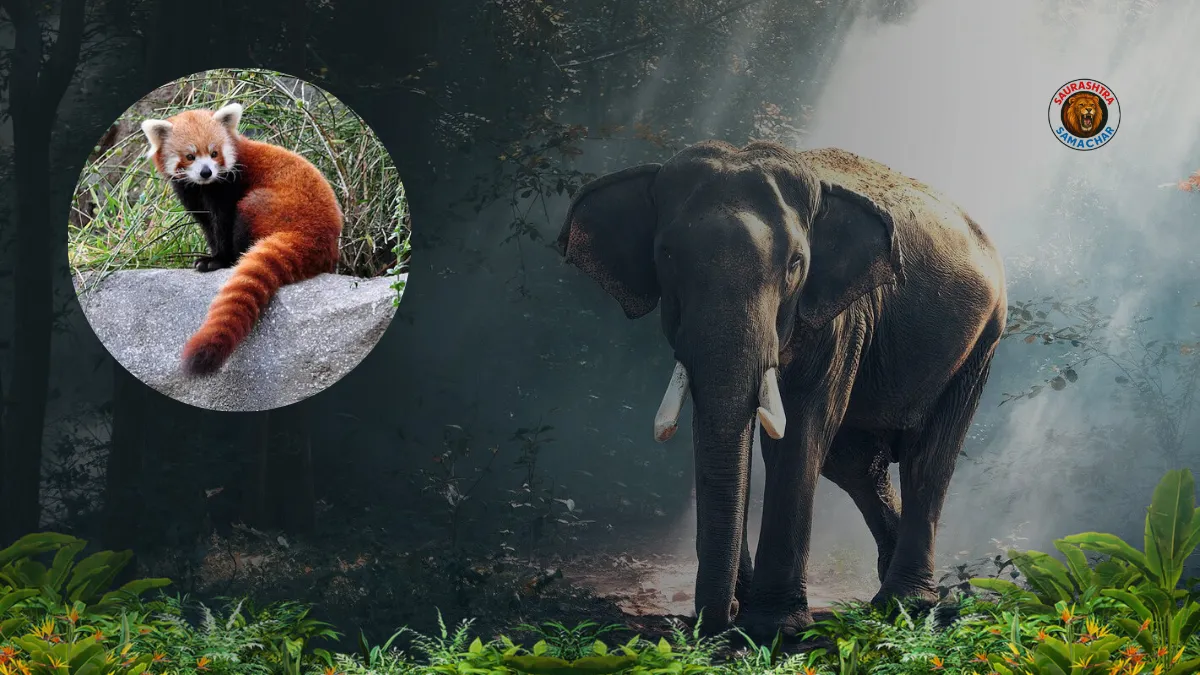
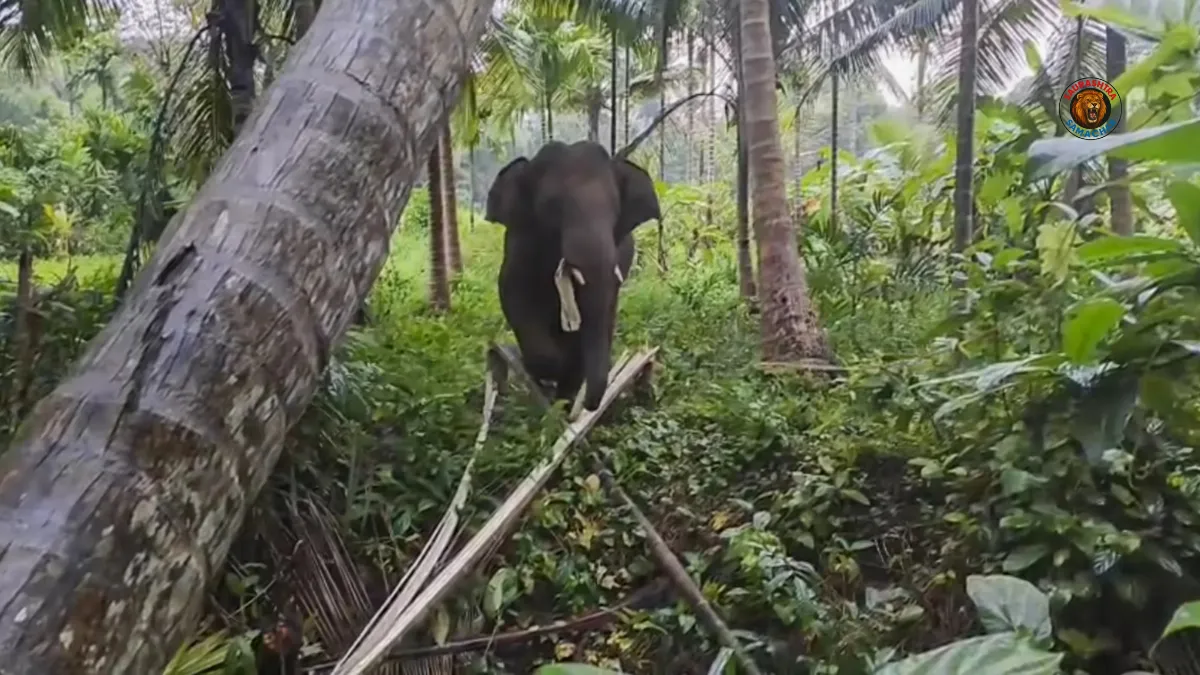
The Bandipur Elephant Attack incident that recently went viral has once again brought attention to the unpredictable nature of wildlife encounters in India’s national parks. A tourist from Kerala miraculously survived after being chased, knocked down, and briefly pinned by a wild tusker in the heart of the Bandipur Tiger Reserve in Karnataka. The shocking moment, captured on video, is now widely circulating on social media, sparking discussions about visitor safety and the urgent need to respect wildlife boundaries.
How the Bandipur Elephant Attack Happened
According to eyewitnesses and the viral footage, the dramatic encounter unfolded on a roadside within Bandipur National Park, an area frequented by tourists for its rich biodiversity and scenic beauty. The video shows several vehicles lined up along the road, with passengers observing a lone wild elephant nearby.
Among them was a tourist from Kerala, whose identity has not yet been confirmed by officials. Instead of remaining inside a vehicle, the man was seen walking along the road on foot—a risky move in an area known for wild animal activity. Suddenly, the tusker appeared to take notice of him, and within moments, the calm scene turned dangerous.
The elephant charged without warning. Startled, the man ran in panic, attempting to flee. Unfortunately, after a few seconds of desperate sprinting, he stumbled and fell to the ground. This gave the massive animal the chance to catch up, push him down further, and pin him under its foot. Witnesses feared the worst. But in an unexpected turn, the tusker backed off after a brief moment and slowly walked away, leaving the injured tourist alive.
Risking your life for a selfie isn’t worth it.
— Gautam (@gautyou) August 11, 2025
A Kerala tourist in Bandipur learned the hard way after stepping out of his vehicle for a photo, only to be charged and trampled by a wild elephant.
Lucky to survive. 🐘🚫📸 #WildlifeSafety #Bandipur pic.twitter.com/1LJ3gYtGgz
Immediate Medical Attention
Onlookers quickly rushed to the victim’s aid. The injured man was taken to a nearby hospital for treatment. While forest officials have not yet disclosed the full extent of his injuries, early reports suggest that he is in a stable condition. Authorities are working to establish his full identity and are investigating why he was outside of a vehicle in such a high-risk area.
Karnataka’s forest department has once again stressed that all visitors must strictly follow park rules. This includes staying inside vehicles, keeping a safe distance from wildlife, and never attempting to approach, feed, or provoke animals.
Bandipur’s Wildlife and the Risks Involved
The Bandipur Tiger Reserve is one of India’s most important wildlife habitats. It forms part of the Nilgiri Biosphere Reserve and is connected to the Mudumalai Wildlife Sanctuary in Tamil Nadu, Wayanad Wildlife Sanctuary in Kerala, and Nagarhole National Park in Karnataka. Together, these forests create a massive wildlife corridor that is home to tigers, leopards, elephants, wild dogs, gaurs, and countless bird species.
While this natural richness makes Bandipur a paradise for wildlife lovers and photographers, it also means that human-wildlife encounters are a constant possibility. Elephants, in particular, are unpredictable. Although generally peaceful when left undisturbed, they can become aggressive if they feel threatened, startled, or provoked. A charging elephant can cover ground quickly, and its sheer size and strength make it capable of causing serious injury or death within seconds.
Past Incidents of Wildlife Encounters in Bandipur
The latest Bandipur Elephant Attack is not an isolated incident. In fact, the region has witnessed several dangerous encounters over the years:
- February 2025: Two tourists in Chamarajanagar district were chased by an elephant after they attempted to take a selfie with the animal. Fortunately, they managed to escape without injury, but the incident served as another warning against reckless behavior near wild animals.
- December 2023: Forest officials discovered the partially eaten body of a man in Bandipur’s Kundakere range. This was the third fatal tiger attack in the park that month, highlighting the fact that tigers, like elephants, can pose a significant threat if safety guidelines are ignored.
These cases, along with the current elephant incident, underline the importance of responsible tourism and strict adherence to park rules.
Safety Rules Tourists Must Follow in Bandipur
Forest authorities have repeatedly emphasized several safety protocols for visitors:
- Stay Inside Your Vehicle – Walking along forest roads is risky, as animals can appear suddenly.
- Maintain a Safe Distance – Even if animals seem calm, keep a large buffer zone to avoid provoking them.
- Avoid Flash Photography and Loud Noises – Sudden lights or sounds can startle animals, leading to aggressive behavior.
- Never Attempt to Feed Wildlife – This disrupts their natural behavior and can encourage dangerous close encounters.
- Follow Guide Instructions – Local guides and forest staff understand animal behavior better and can advise on safe viewing.
Ignoring these rules not only puts human lives at risk but can also harm the animals. When wild creatures feel threatened, they may become stressed or aggressive, leading to tragic outcomes.
Why Elephants Sometimes Attack
Elephants are intelligent and emotional animals, capable of remembering past experiences and reacting strongly to perceived threats. Some reasons for elephant aggression include:
- Protecting Territory or Young – Female elephants with calves are especially protective.
- Musth in Males – Male elephants in musth have heightened testosterone levels, making them more aggressive.
- Past Trauma or Harassment – Previous negative encounters with humans can cause elephants to be wary or hostile.
- Sudden Startling – Loud noises, sudden movements, or approaching vehicles can provoke a defensive charge.
In the Bandipur Elephant Attack, it is not yet clear why the tusker reacted the way it did. However, experts believe the man’s proximity and movement may have been perceived as a threat.
Human-Wildlife Conflict in the Region
Bandipur is part of a critical ecological corridor linking forests across three southern states—Karnataka, Tamil Nadu, and Kerala. This connectivity is vital for wildlife movement but also increases the chances of humans and animals crossing paths. Expanding human settlements, farming, and tourism sometimes push people closer to wild habitats, leading to human-wildlife conflict.
Authorities have been working on multiple measures to reduce such conflicts, including:
- Installing warning signboards in vulnerable areas.
- Deploying forest guards to monitor tourist activity.
- Restricting access to certain high-risk zones.
- Educating visitors about wildlife behavior.
However, as the latest incident shows, awareness alone is not enough—compliance is key.
Also read: Supreme Court to Hear Case on Transfer of Madhuri Elephant to Vantara in Jamnagar, Gujarat
Lessons from the Bandipur Elephant Attack
The survival of the Kerala tourist is nothing short of miraculous. But it should serve as a serious wake-up call for all visitors to wildlife reserves. A split-second of poor judgment—such as walking on foot near a wild tusker—can lead to life-threatening consequences.
The Bandipur Tiger Reserve is not a zoo. It is a living, breathing ecosystem where humans are visitors in the animals’ home. Respecting their space is essential, both for our safety and for the well-being of the wildlife.
Conclusion
The Bandipur Elephant Attack will likely remain in public memory for some time, not only because of its shocking visuals but because it highlights the fine balance between tourism and conservation. Bandipur is a jewel in India’s wildlife heritage, but with that comes a responsibility for every visitor to act sensibly.
The forest department’s message is clear: stay in your vehicle, follow the rules, and respect wildlife from a safe distance. If we fail to do so, incidents like this will continue—and next time, the outcome may not be as fortunate.
By treating wild animals with the respect they deserve, we can ensure that both humans and wildlife coexist safely, allowing future generations to witness the beauty of places like Bandipur without fear or tragedy.