The Aravali Jungle Safari Project is emerging as one of the most ambitious tourism and conservation initiatives in India. Planned across the Gurgaon and Nuh districts of Haryana, this massive safari park is set to become the largest curated jungle safari in Asia. The idea, championed by Union Minister and former Haryana Chief Minister Manohar Lal Khattar, draws inspiration from world-class wildlife destinations like the Sharjah Safari, Vantara in Jamnagar, and Gujarat’s Gir Sanctuary.
With the Phase 1 design draft now in place, the Haryana government is moving quickly to turn this dream into reality. Covering a sprawling 10,000 acres of land in the Aravali region, the project aims to combine wildlife conservation, eco-tourism, job creation, and environmental restoration.
Phase 1: Laying the Foundation of a Landmark Project
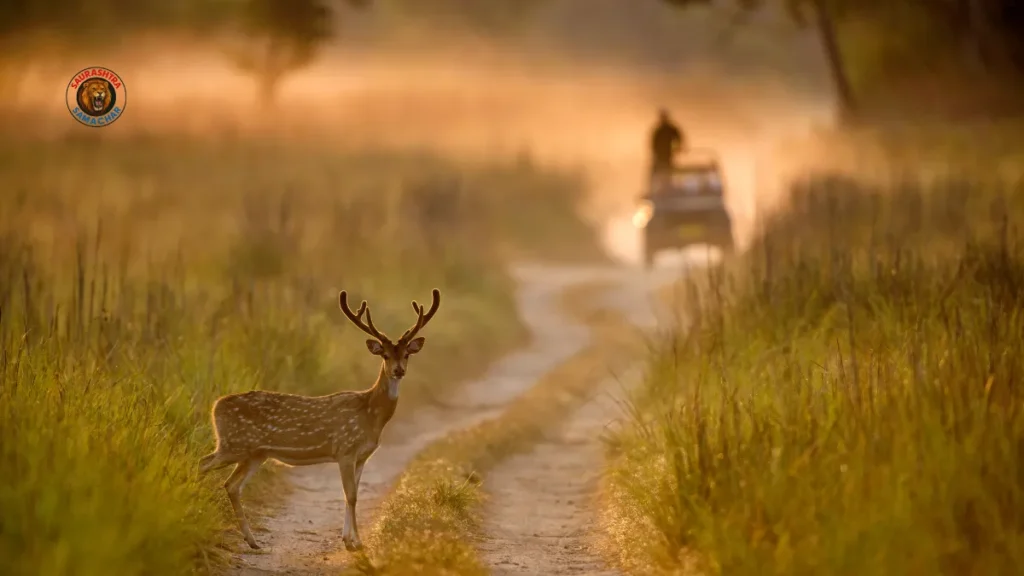
The Aravali Jungle Safari Project has been designed in multiple phases, with the first phase spanning 2,500 acres. The preliminary design for this phase is already complete, and the state’s forest department is preparing for construction to begin soon.
Recently, Manohar Lal Khattar, accompanied by Union Environment Minister Bhupendra Yadav, visited the proposed site near Sakatpur village. They inspected the area and reviewed plans for four major entry gates, strategically located at:
- Sohna
- Taudu-Sohna Road
- Naurangpur
- Sakatpur village
Haryana Forest Minister Rao Narbir Singh confirmed these plans while highlighting the government’s focus on accessibility and visitor convenience.
Khattar stressed that the project will promote tourism while preserving the biodiversity, natural beauty, and cultural heritage of the Aravali hills. Yadav echoed his views, adding that the central government will fully support the project by planting native trees and creating a wildlife-friendly ecosystem.
A Tourism Game-Changer for the Region
The proposed jungle safari is more than just a wildlife park — it is envisioned as a complete tourism destination. The park will include:
- Big Cat Habitats for tigers, lions, and leopards
- A massive aviary showcasing exotic and local bird species
- A herpetarium featuring snakes, lizards, and other reptiles
- Botanical gardens with diverse plant collections
- Nature trails for hiking and exploration
- An underwater world to display aquatic life
The project will be developed in four phases, ensuring a gradual rollout of attractions while maintaining ecological integrity. One senior project officer revealed that the safari will be five times larger than the Sharjah Safari, currently the largest curated safari park outside Africa.
Environmental and Cultural Significance
The Aravali mountain range is one of the oldest geological formations in the world and plays a vital role in maintaining the ecological balance of north-western India. These hills act as a natural barrier against desertification, recharge groundwater, and support a variety of flora and fauna.
The Aravali Jungle Safari Project aims to restore degraded areas, protect endangered species, and boost the green cover through initiatives like the Matru Van campaign, which will see the plantation of around 20,000 trees as part of the Aravali Green Wall Project.
By focusing on planting local species, the project seeks to create a self-sustaining ecosystem that mirrors the natural habitat of the region. This ecological approach will not only help wildlife thrive but also maintain the delicate environmental balance in the National Capital Region (NCR).
Economic Benefits: Jobs, Tourism, and Local Growth
Beyond conservation, the project is expected to be a major economic driver for the region. The safari will attract domestic and international tourists, generating revenue through entry fees, guided tours, and hospitality services.
Local communities, particularly in Gurgaon and Nuh districts, will benefit from:
- Employment opportunities in park operations, guiding, and hospitality
- Boost to local businesses, including hotels, restaurants, and handicraft markets
- Infrastructure development, such as improved roads and public transport
- Skill development programs for residents, focusing on eco-tourism and conservation work
These benefits align with the Haryana government’s vision of promoting green tourism while empowering rural communities.
Learning from Global Inspirations
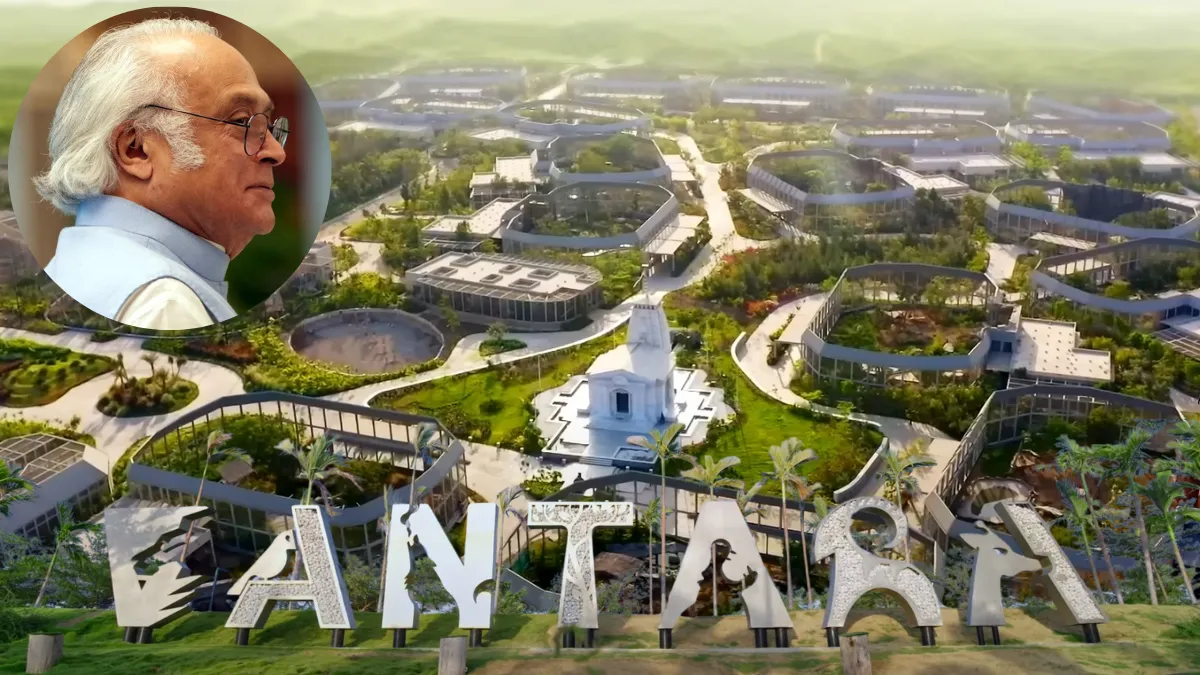
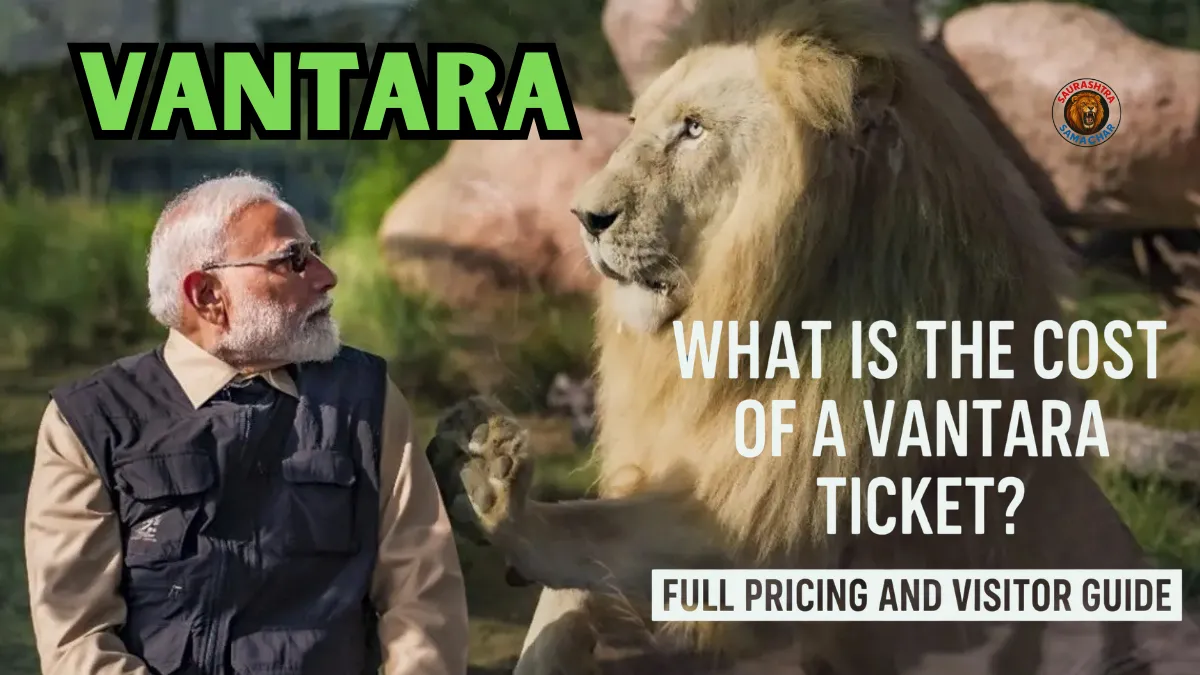
The Aravali Jungle Safari Project takes cues from some of the most successful safari models in the world. The Sharjah Safari in the UAE, for instance, offers a carefully curated wildlife experience in a desert ecosystem, while Vantara in Jamnagar focuses on animal care and rescue. The Gir Sanctuary is known for its successful conservation of Asiatic lions.
By studying these models, Haryana aims to combine world-class visitor facilities with rigorous wildlife protection measures. International consultants are being engaged to ensure that the safari meets global technical and environmental standards.
Government Commitment and Planning
The Haryana government is determined to see the project succeed. An Aravali Foundation is being planned to oversee the safari’s management, coordinate with private partners, and ensure compliance with environmental norms.
Chief Minister Nayab Singh Saini has also expressed strong support, stating that the project will not only promote eco-tourism but also enhance wildlife conservation efforts in the state.
The central government’s involvement, especially in funding and environmental planning, underscores the national importance of this initiative.
Financial Scale and Funding Models
While the official project cost has not been disclosed, experts estimate that the Aravali Jungle Safari Project could require an investment of ₹500 crore to ₹1,000 crore. Given its vast scale, the government is exploring various funding models, including:
- Public-private partnerships (PPPs) to attract private investment
- Eco-tourism grants from national and international organizations
- Revenue-sharing models to ensure long-term financial sustainability
Officials are confident that with proper planning and a strong tourism push, the project will generate enough revenue to sustain itself while contributing to Haryana’s economy.
Addressing Environmental Concerns
Despite its promise, the Aravali Jungle Safari Project has faced criticism from environmentalists and former forest officials. Concerns have been raised about:
- Groundwater depletion due to increased human activity
- Disruption of natural habitats
- Loss of biodiversity if the project is not carefully planned
In February, several retired Indian Forest Service officers wrote to Prime Minister Narendra Modi, urging that any development in eco-sensitive zones should prioritize conservation and restoration over commercial exploitation.
In response, government officials have assured that environmental safeguards will be in place. These include:
- Detailed Environmental Impact Assessments (EIA) before construction
- Use of sustainable construction materials and renewable energy sources
- Strict regulation of visitor numbers to prevent overcrowding
- Continuous monitoring of wildlife health and habitats
Also read: World Elephant Day 2025: Celebrating the Gentle Giants of Our Planet
The Road Ahead
The Aravali Jungle Safari Project represents a rare opportunity to balance development with conservation. If executed responsibly, it could set a new benchmark for eco-tourism in India and inspire similar projects across the country.
With its combination of wildlife experiences, environmental restoration, and economic upliftment, the project has the potential to become a flagship attraction not just for Haryana, but for all of Asia.
Also read: Supreme Court to Hear Case on Transfer of Madhuri Elephant to Vantara in Jamnagar, Gujarat
Conclusion
The journey from blueprint to reality will require careful planning, transparent execution, and unwavering commitment to ecological principles. The success of the Aravali Jungle Safari Project will depend on how well the government can integrate global best practices with local environmental needs.
For tourists, it promises an unforgettable adventure; for locals, a source of pride and livelihood; and for India, a shining example of how sustainable development can work in harmony with nature conservation.
If the vision holds true, in the coming years, the Aravali region may not only preserve its ancient hills but also become a thriving sanctuary where humans and wildlife coexist in balance.