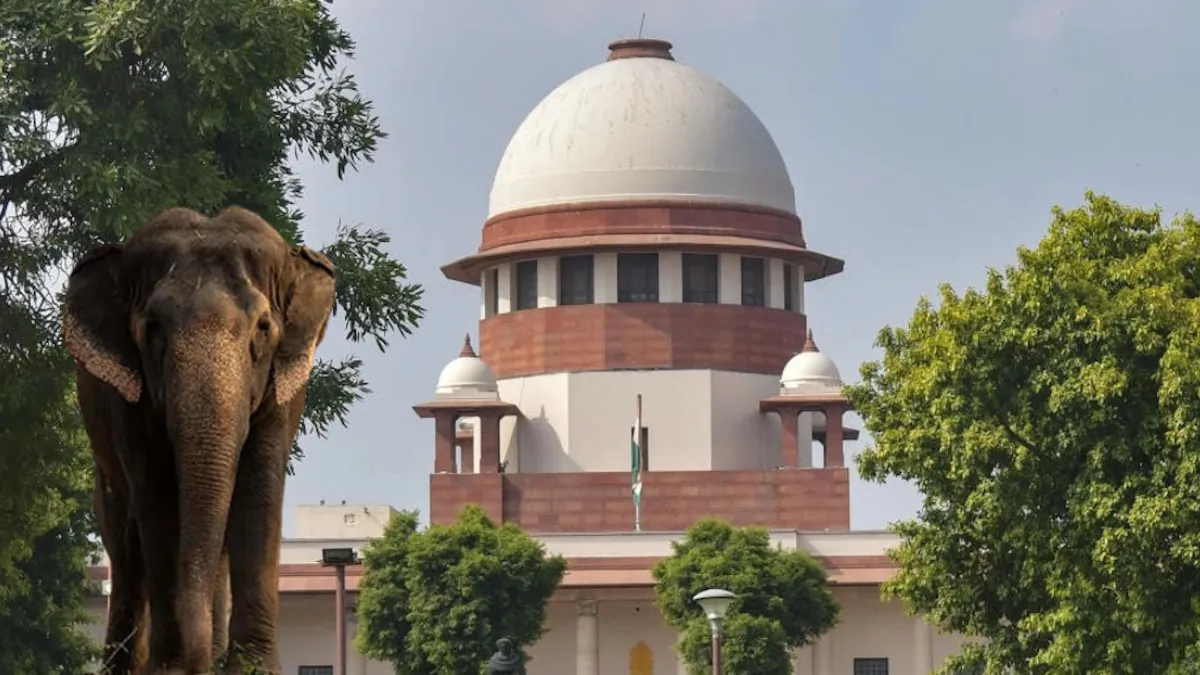
The Madhuri elephant case has become a major legal and emotional matter in India, drawing attention from animal lovers, religious communities, and wildlife activists alike. The Supreme Court of India has agreed to hear, on August 14, a petition challenging the transfer of the temple elephant Mahadevi—popularly referred to as the Madhuri elephant—to Vantara, a large wildlife care and rescue facility in Jamnagar, Gujarat.
According to the petitioner, the transfer of this temple elephant violates previous Supreme Court orders and is part of a larger pattern of illegally keeping wild animals in captivity at Vantara.
Background of the Case
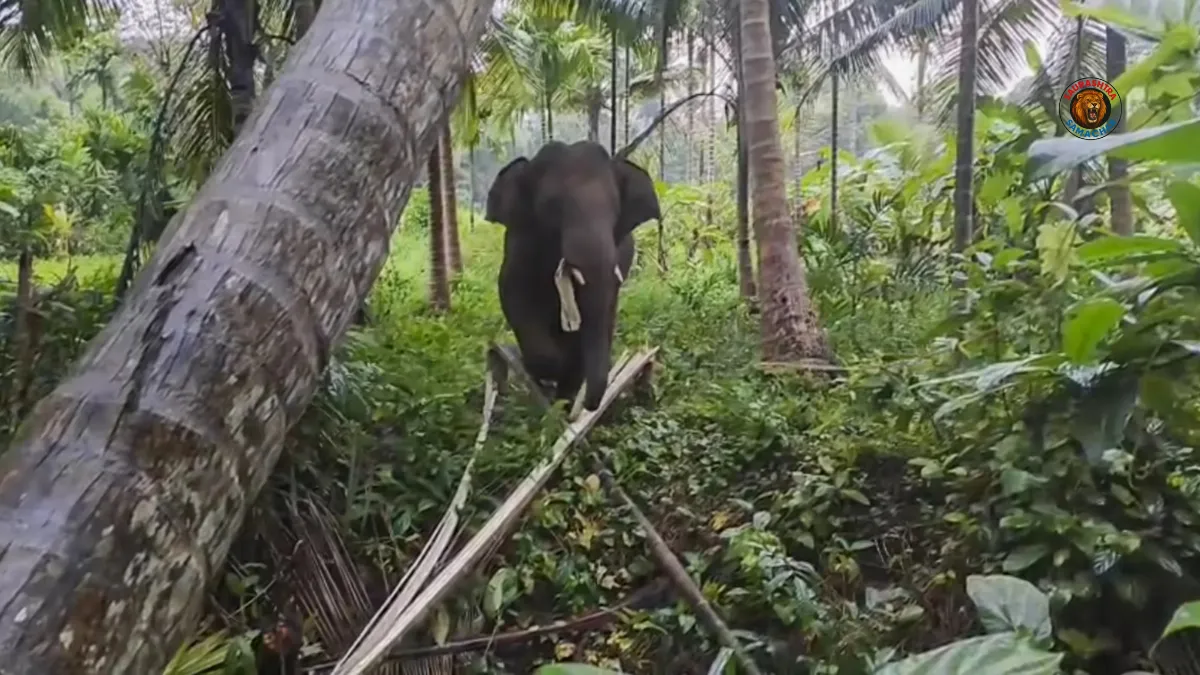
The legal dispute began when the temple elephant Mahadevi, also called the Madhuri elephant by her caretakers, was taken from a temple in Maharashtra’s Kolhapur district and moved to the Vantara facility in Gujarat. The petitioner claims that this was done forcibly, without the consent of the temple or the local community, and that the elephant holds significant religious and cultural importance.
The case was first presented before the Mumbai High Court in July, but the court dismissed the petition filed by the Jain community seeking to stop the transfer. This led to a fresh petition being filed in the Supreme Court by advocate Jaya Sukin, who has been vocal about protecting the rights of both elephants and their traditional caretakers.
Petitioners’ Main Concerns
The petitioners argue that the Madhuri elephant is an integral part of the temple’s heritage and should not have been removed. They claim that thousands of local residents have taken to the streets in protest, expressing deep emotional and cultural loss.
According to the Public Interest Litigation (PIL), the transfer of the elephant has triggered widespread anger, especially among those who believe the elephant’s place is within the temple premises where she has lived for years.
Maharashtra Government’s Response
The issue soon reached the political level. Maharashtra’s Deputy Chief Minister Devendra Fadnavis publicly stated that the state government would file a review petition in the Supreme Court to bring the Madhuri elephant back.
Fadnavis expressed concern over the alleged violation of Supreme Court orders, stating that the decision to move the elephant to Vantara had been taken without fully respecting the legal and cultural context. His remarks further fueled public debate about whether such relocations are in the best interest of the animals or simply a matter of administrative control.
Allegations Against Vantara
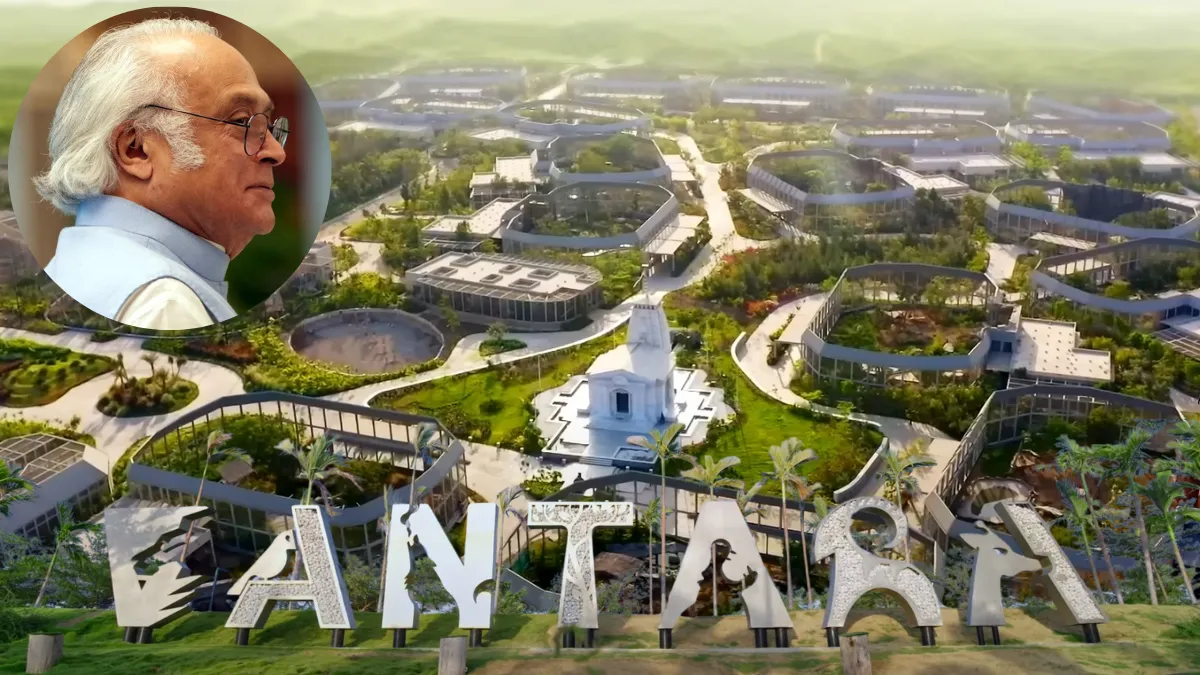
The PIL alleges that Vantara—a wildlife care initiative set up by Reliance Foundation—has violated earlier Supreme Court orders regarding the housing of elephants and other wild animals. The petitioners claim that Vantara currently holds elephants, lions, leopards, and other wildlife illegally.
It is further alleged that elephants from various temples across India have been forcibly taken away without proper consent or legal procedure. The PIL also mentions that large numbers of wild animals, including cheetahs from South Africa, have been brought into India and kept at Vantara in questionable conditions.
The 2014 Supreme Court case filed by the NGO WRRC was cited as a reference. In that case, the Court had laid down guidelines for the care and use of elephants in temples, emphasizing that they should be well-treated and their cultural role respected.
Petitioners Demand Committee Formation
One of the central demands of the petition is the formation of a Supreme Court-appointed monitoring committee. This committee, according to the petition, should be tasked with:
- Reviewing the legality of animal transfers to facilities like Vantara.
- Ordering the return of all seized elephants to their rightful owners.
- Releasing wild animals and birds currently held in captivity back into the forest.
The petition also challenges the Tripura High Court’s high-level committee on wildlife matters, calling it unconstitutional and in violation of several laws, including the Wildlife Protection Act, 1972.
Religious and Cultural Significance of the Madhuri Elephant
The Madhuri elephant is not just an animal for the people of the temple in Kolhapur—it is a symbol of faith, tradition, and heritage. In many parts of India, temple elephants are considered living embodiments of divine blessings. They participate in rituals, festivals, and processions, often forming a deep emotional bond with the community.
For the temple devotees, losing the Madhuri elephant feels like losing a member of the family. Many argue that while modern wildlife laws aim to protect animals, they should also respect long-standing traditions that value and care for these animals in culturally meaningful ways.
The Broader Debate: Animal Welfare vs. Cultural Heritage
This case raises important questions that go beyond the fate of the Madhuri elephant:
- Animal Welfare Concerns: Supporters of the transfer argue that facilities like Vantara provide better living conditions, medical care, and nutrition for elephants than many temples or private owners can offer. They believe that such relocations are in the best interest of the animal’s health and longevity.
- Cultural Heritage Preservation: Opponents say that elephants like the Madhuri elephant have been part of temple traditions for centuries and are well cared for by their communities. Removing them disrupts cultural heritage and disrespects the emotional bond between the animal and the people.
This tension between modern conservation practices and traditional cultural practices is at the heart of the dispute.
Also read: Supreme Court Petition Seeks Panel for the Return of Captive Elephants at Vantara
The Road Ahead
As the Supreme Court prepares to hear the case on August 14, all eyes are on what could become a landmark judgment in balancing wildlife protection laws with cultural rights. The court’s decision will not only determine the fate of the Madhuri elephant but could also set a precedent for how temple animals across India are treated in the future.
If the court sides with the petitioners, it could mean the return of the Madhuri elephant to Kolhapur and possibly the release of other animals from Vantara. On the other hand, if the court rules in favor of Vantara, it could strengthen the role of private wildlife facilities in India’s conservation efforts.
Also read: How Villagers Fought for Madhuri Elephant
Conclusion
The case of the Madhuri elephant is more than a legal battle—it is a clash of values, priorities, and visions for the future of animal care in India. On one side are those who see relocation as a path to better welfare for animals; on the other are those who believe such moves erode centuries-old traditions and disconnect communities from their cultural roots.
The Supreme Court’s upcoming hearing could be a turning point in how India balances its rich cultural heritage with the evolving standards of animal protection. For now, the Madhuri elephant remains at the center of a national conversation about where compassion, tradition, and law should meet.