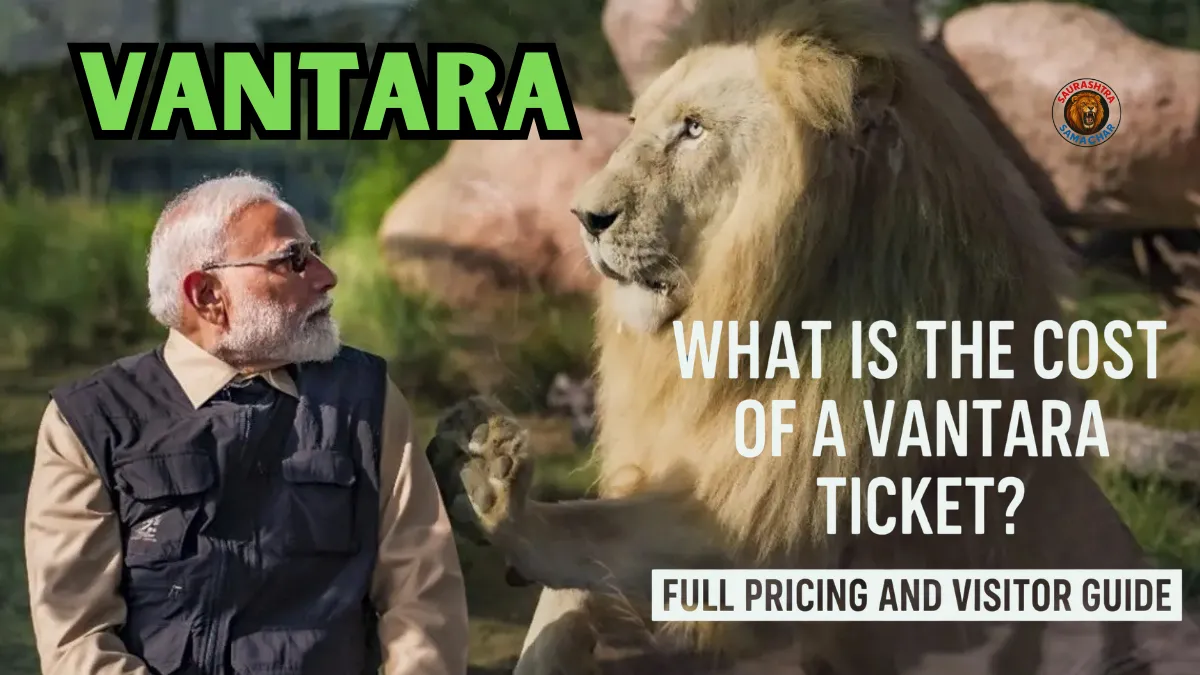
Vantara news has once again become the focus of national and international attention. The Supreme Court of India, on August 25, 2025, directed an investigation into the high-profile wildlife rescue and rehabilitation facility set up in Jamnagar, Gujarat, by billionaire businessman Mukesh Ambani’s youngest son, Anant Ambani. The apex court has formed a Special Investigation Team (SIT) to probe allegations of illegal wildlife transfers, mistreatment of animals, and financial irregularities linked to this luxury facility.
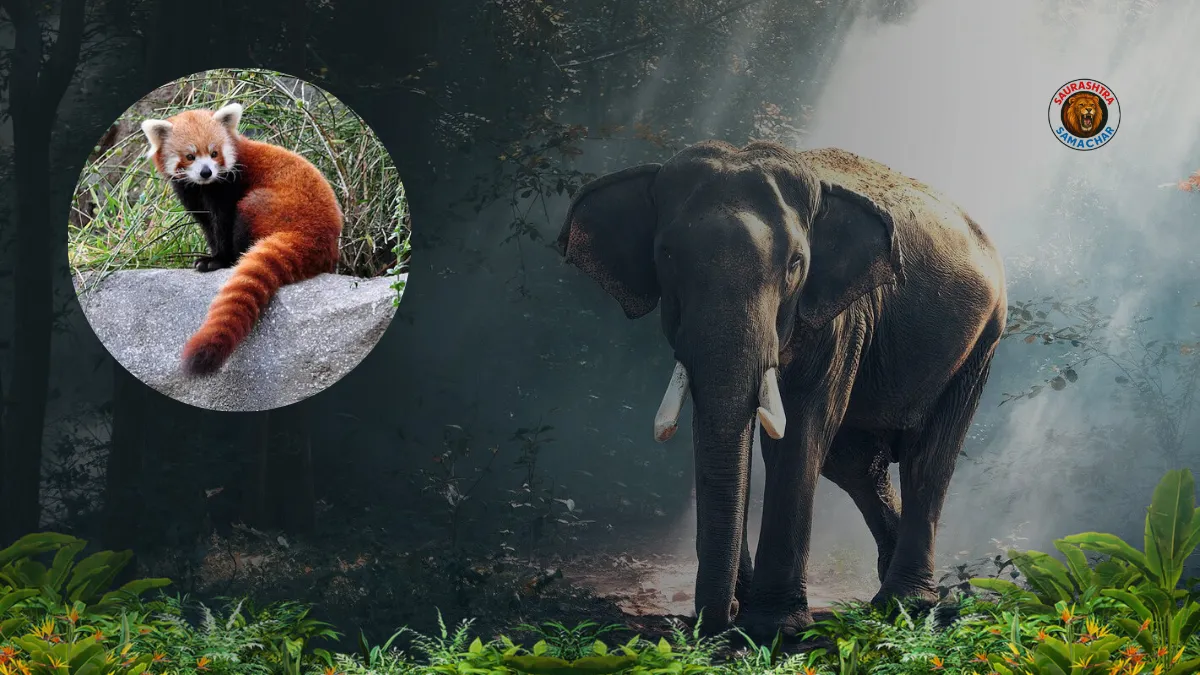
Launched in February 2024 and inaugurated by Prime Minister Narendra Modi in March 2025, Vantara—meaning “Star of the forest”—was promoted as the world’s largest rescue and rehabilitation center for animals. Spread across 3,000+ acres inside the Reliance refinery complex in Jamnagar, the facility is home to more than 10,000 animals representing 345 species. This includes nearly 200 elephants, 300 big cats, and 1,200 reptiles. It also boasts of cutting-edge veterinary infrastructure such as ICUs, MRI and CT scan facilities, and even a dedicated elephant hospital with hydrotherapy pools.
Vantara’s stated mission is based on the Hindu philosophy of “Jeev Seva” (service to all living beings). Yet, despite its grand vision, the project has landed in controversy, prompting one of the most high-profile wildlife-related legal interventions in recent years.
Why the Supreme Court Ordered an Investigation
The Supreme Court’s directive came after hearing two separate Public Interest Litigations (PILs), one filed by lawyer C.R. Jayasukin. The PILs alleged that Vantara was engaged in:
- Illegal animal acquisitions without proper permits
- Violations of the Wildlife Protection Act, 1972, and international treaties like the Convention on International Trade in Endangered Species (CITES)
- Abuse of captive animals, including elephants
- Financial misconduct, including money laundering and misuse of carbon and water credits
Although the apex court admitted that some allegations lacked verified evidence, it ruled that an independent probe was necessary. This was because statutory authorities such as the Central Zoo Authority (CZA) appeared either unwilling or unable to address the issues thoroughly.
SIT Panel and Its Mandate
The bench of Justice Pankaj Mithal and Justice Prasanna B. Varale appointed a Special Investigation Team (SIT) headed by former Supreme Court judge Justice Jasti Chelameswar. The SIT includes:
- Justice Raghvendra Chauhan, former Chief Justice of Uttarakhand and Telangana High Courts
- Hemant Nagrale, former Mumbai Police Commissioner
- Anish Gupta, IRS officer
The SIT has been tasked with presenting its report by September 12, 2025. The case will then be reviewed on September 15.
The panel’s mandate covers:
- Illegal Wildlife Transfers: Reports allege that Vantara acquired elephants and other species without the required 38H permissions under the Wildlife Protection Act. International investigations by media outlets like Süddeutsche Zeitung and Armando Info revealed the import of endangered species such as mountain gorillas, orangutans, green tree pythons, and giant otters, raising serious CITES compliance questions.
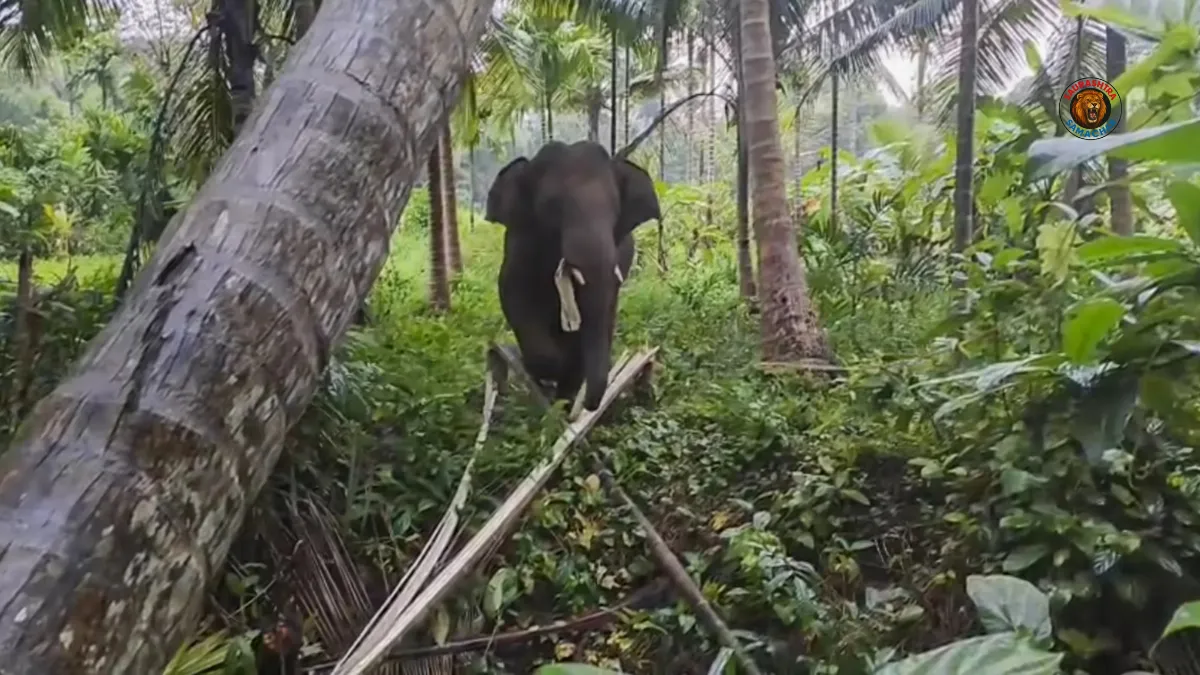
- Controversial Elephant Captivity: One high-profile case involves Mahadevi, also known as Madhuri, a 36-year-old female elephant transferred in July 2025 from a Jain temple in Kolhapur, Maharashtra. Locals staged massive protests, arguing the elephant was part of their cultural and spiritual identity. Allegations suggest elephants were forcibly removed from temples and private owners under the guise of cruelty prevention.
- Animal Welfare Concerns: Critics argue that Jamnagar’s hot, arid climate near an oil refinery is unsuitable for many species. Concerns include poor veterinary care, high mortality rates, and the project functioning more as a private zoo than a true rehabilitation center. The fact that the facility remains closed to the general public has fueled speculation about its real purpose.
- Financial and Environmental Irregularities: PILs allege misuse of funds, money laundering, and manipulation of carbon and water credits. Critics argue Vantara may serve as a “greenwashing” project to offset industrial pollution linked to Reliance’s net-zero emission goals.
- Corporate Showpiece Allegations: Activists describe Vantara as a “vanity project” masking industrial impacts, especially given its role in Anant Ambani’s extravagant 2024 wedding, which hosted global elites like Mark Zuckerberg and Bill Gates.
Vantara’s Response to the Allegations
Following the Supreme Court’s directive, Vantara issued an official statement welcoming the inquiry and emphasizing its commitment to transparency, compassion, and strict legal compliance.
- On animal acquisition, it denied illegal practices, claiming all wildlife either came from captive breeding programs or were rescued with valid CITES permits.
- Regarding Mahadevi’s transfer, Vantara stated it acted under judicial authority while respecting cultural sentiments and ensuring proper veterinary care.
- It pledged full cooperation with the SIT and urged that the process should focus on animal welfare without speculation.
Broader Context: Conservation or Corporate PR?
The Vantara news controversy raises deeper questions about the intersection of corporate philanthropy and conservation ethics. On one hand, Vantara’s vast resources and advanced facilities position it as a potential model for large-scale wildlife rescue. On the other, its private nature, limited transparency, and unclear plans for releasing rehabilitated animals back into the wild create skepticism.
During the 77th CITES Standing Committee meeting in November 2023, wildlife organizations from South Africa expressed concerns over India’s compliance with global wildlife trade rules because of Vantara’s imports. Activists argue that true rehabilitation should involve rewilding, not permanent captivity in a corporate-run facility.
Table: Key Facts About Vantara
| Detail | Information |
|---|---|
| Founded By | Anant Ambani (Reliance Group) |
| Location | Jamnagar, Gujarat (within Reliance Refinery) |
| Launch | February 2024 |
| Inauguration | March 2025 by PM Narendra Modi |
| Area | 3,000 acres |
| Animal Population | 10,000+ (345 species) |
| Key Facilities | Elephant Hospital, ICUs, MRI, CT Scan, Hydrotherapy Pools |
| Allegations | Illegal transfers, animal abuse, financial misconduct, greenwashing |
| Investigating Body | Supreme Court-appointed SIT |
| SIT Report Deadline | September 12, 2025 |
The Road Ahead
The SIT has sweeping powers: it can summon documents, consult global wildlife experts, and physically inspect Vantara’s facilities. Non-cooperation could even invite contempt of court proceedings.
The outcome of this probe could go in two directions:
- Validation of Vantara’s Model: If the SIT finds the allegations unsubstantiated, Vantara could emerge as a global benchmark in corporate-led wildlife conservation.
- Exposé of Legal and Ethical Flaws: If the SIT confirms irregularities, it could force stricter regulations on private conservation projects and reshape how corporate entities engage with wildlife initiatives.
Also read: Vantara News: Chhattisgarh Demands Return of Rare Wildlife Amid Growing Controversy
Why This Matters Beyond Vantara
The Vantara news case is not just about one facility; it reflects broader tensions in India’s conservation landscape:
- Corporate Accountability: Should corporations be allowed to manage massive wildlife projects with limited transparency?
- Cultural Sensitivities: The Mahadevi elephant case shows the clash between religious traditions and modern animal welfare standards.
- Policy Implications: The government may need to tighten oversight of private sanctuaries and ensure compliance with international treaties like CITES.
Also read: Vantara Controversy: Everything You Need to Know About the Debate Around Reliance’s Wildlife Project
Conclusion: Vantara News
The Supreme Court’s decision to appoint an SIT for Vantara news underscores the importance of accountability in high-profile conservation projects. While Vantara presents itself as a sanctuary for wildlife based on compassion and care, allegations of illegality, greenwashing, and cultural insensitivity cannot be ignored.
In the coming weeks, as the SIT digs deeper, the world will watch whether Vantara is truly the “Star of the Jungle” it claims to be—or if it symbolizes the darker side of corporate-driven conservation.
Either way, the outcome of this case is likely to set a precedent for the future of wildlife protection and corporate responsibility in India.