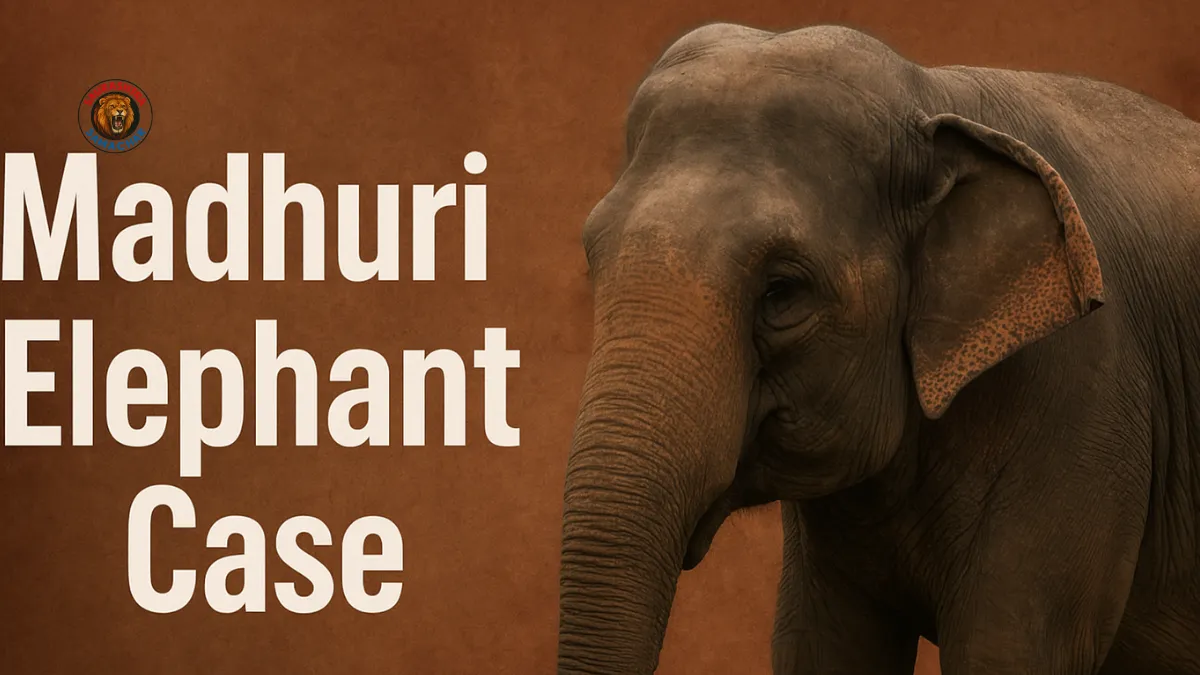
Madhuri elephant case has become one of the most discussed topics in recent years among wildlife enthusiasts, animal rights activists, and legal experts in India. At the very beginning, it is important to understand that this case is not just about one elephant but also about the broader issues of wildlife welfare, captivity, and the laws that govern the protection of animals in the country.
This article explores the Madhuri elephant case in detail, highlighting its background, legal aspects, controversies, and the lessons it teaches about animal conservation and responsible ownership.
Background of the Madhuri Elephant Case
The Madhuri elephant case revolves around an elephant named Madhuri, who became the subject of legal and ethical debates. Questions were raised about her ownership, living conditions, and the treatment she was receiving. Concerns from activists and forest officials led to inquiries under the Wildlife Protection Act, 1972, which governs the care, captivity, and transfer of elephants in India.
Madhuri, like many other elephants in India, was caught in the complex web of tradition, tourism, and animal rights. The case brought attention to how elephants are often used in temples, circuses, and tourism activities without proper care, leading to widespread debate.
Legal Aspects of the Madhuri Elephant Case
The legal proceedings in the Madhuri elephant case focused on whether the elephant was being kept under legal ownership and in humane conditions.
Some of the key laws and rules that applied include:
- Wildlife Protection Act, 1972 – Protects elephants as a Schedule I species, making them highly protected under Indian law.
- Prevention of Cruelty to Animals Act, 1960 – Ensures that no animal is subjected to unnecessary pain or suffering.
- Supreme Court Guidelines on Captive Elephants – Issued in several cases to regulate how elephants can be owned and cared for.
The court proceedings not only considered Madhuri’s case individually but also emphasized the need for stricter monitoring of elephants kept in captivity across the country.
Why the Madhuri Elephant Case Gained Public Attention
The Madhuri elephant case was widely covered in media and discussed among animal rights organizations for several reasons:
- Symbol of Larger Issues – It symbolized the struggles of many captive elephants in India.
- Activist Involvement – Animal rights groups raised awareness about Madhuri’s condition and demanded intervention.
- Tourism & Tradition – The case questioned the balance between cultural practices involving elephants and modern wildlife protection laws.
- Legal Precedent – It became a point of reference for future cases involving elephants.
Key Details of the Madhuri Elephant Case
Here is a table summarizing the main aspects:
| Aspect | Details |
|---|---|
| Case Name | Madhuri Elephant Case |
| Core Issue | Ownership, welfare, and treatment of Madhuri the elephant |
| Governing Law | Wildlife Protection Act, 1972; Prevention of Cruelty to Animals Act, 1960 |
| Public Reaction | Strong involvement of animal rights activists and wildlife organizations |
| Broader Significance | Highlighted captive elephant welfare and legal loopholes |
Broader Lessons from the Madhuri Elephant Case
The Madhuri elephant case highlights several important lessons:
- Strengthening Wildlife Laws – There is a need for stricter enforcement of existing laws to prevent illegal captivity.
- Awareness & Education – People must be educated about the natural behavior and welfare needs of elephants.
- Ethical Tourism – Tourists should choose activities that do not exploit elephants or other wild animals.
- Sanctuary Approach – Elephants like Madhuri should ideally be rehabilitated in sanctuaries rather than kept in private captivity.
Also read: Aravalli Jungle Safari: Haryana to Become a New Hub of Eco-Tourism
Conclusion
The Madhuri elephant case is more than just a legal battle; it is a wake-up call for India and the world to rethink how we treat one of the most intelligent and sensitive creatures on Earth. While Madhuri’s story may be unique, the issues it represents are widespread and ongoing.
By enforcing wildlife laws, promoting ethical tourism, and raising public awareness, society can ensure that elephants like Madhuri are given the dignity, safety, and care they truly deserve.